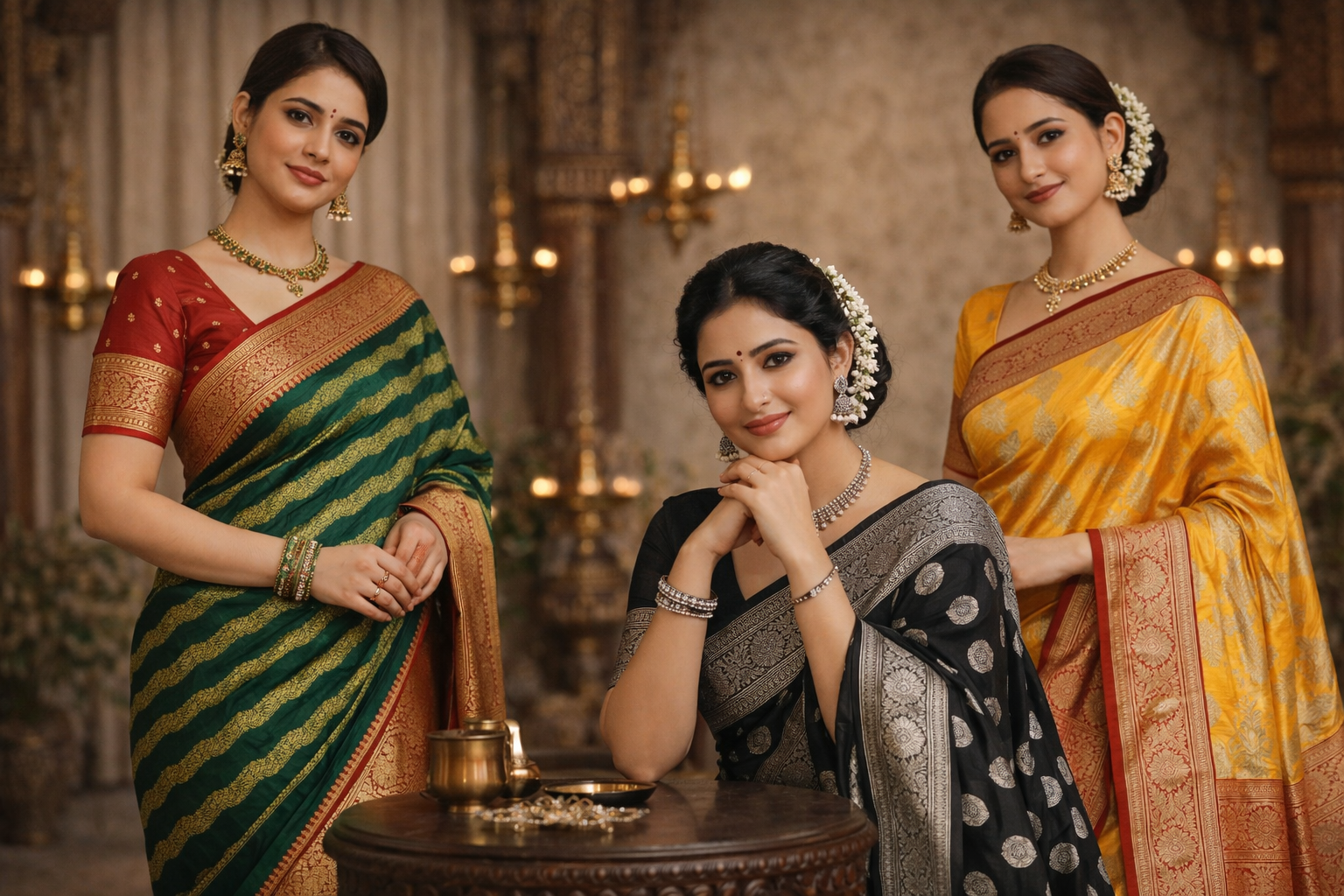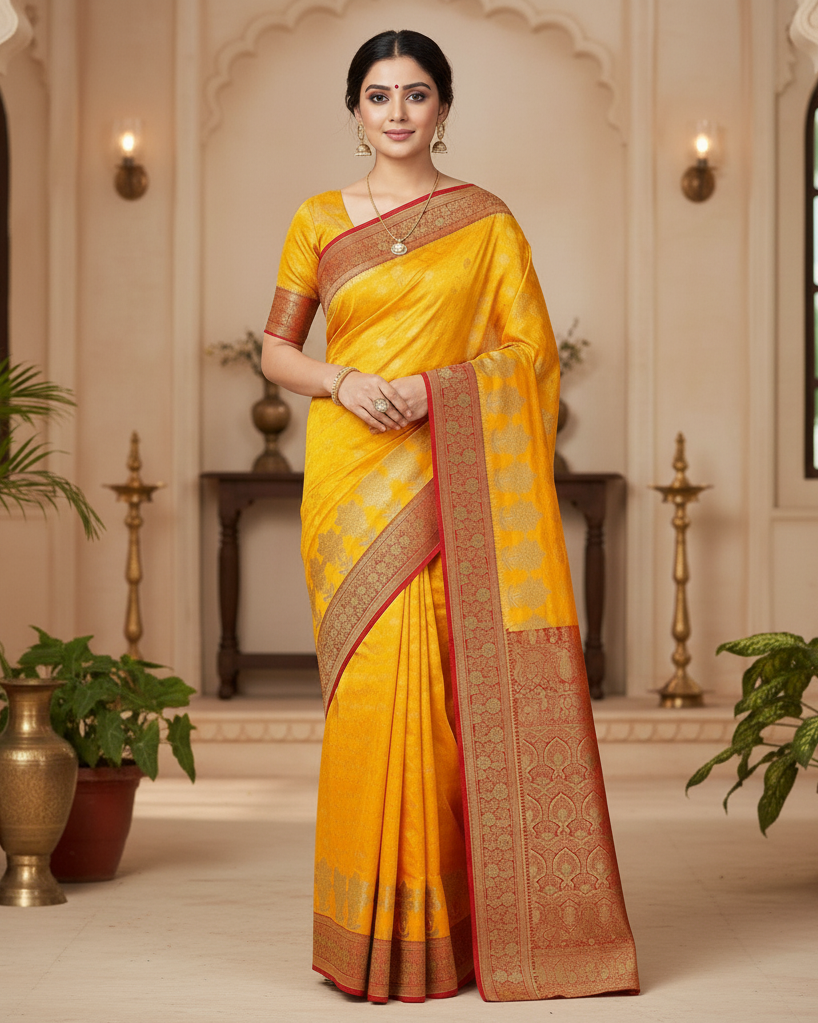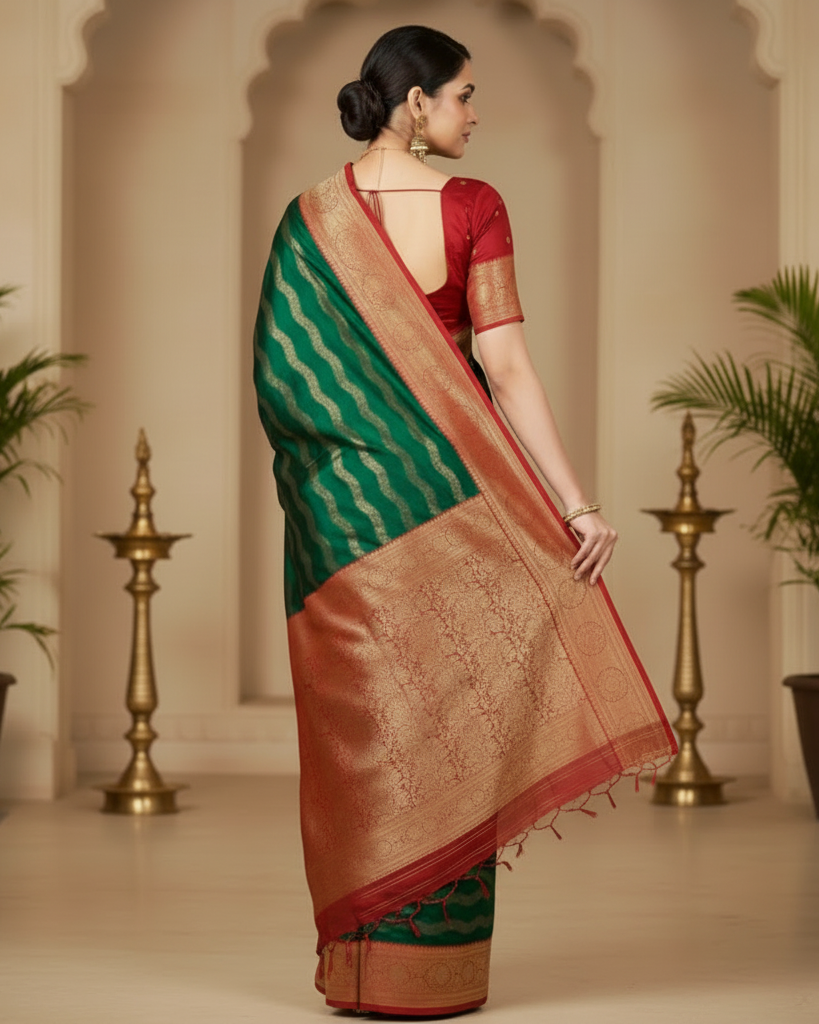
In an era dominated by fast fashion and mass production, a quiet revolution is taking place. Handloom textiles, once considered traditional and old-fashioned, are experiencing a remarkable resurgence in modern fashion. From runway shows to everyday wardrobes, handloom is making a powerful statement about sustainability, craftsmanship, and conscious consumption.
The Decline and Revival
India's handloom industry, once the backbone of the country's textile economy, faced severe challenges in the late 20th century. The rise of power looms, cheap synthetic alternatives, and changing consumer preferences led to a dramatic decline. Many weavers abandoned their ancestral craft for more lucrative professions, and entire weaving communities faced economic hardship.
However, the 21st century has witnessed a remarkable turnaround. Several factors have contributed to this revival:
1. The Sustainability Movement
As awareness about environmental issues grows, consumers are increasingly seeking sustainable alternatives to fast fashion. Handloom textiles are inherently sustainable:
- Zero Carbon Footprint: Handlooms require no electricity, making them one of the most eco-friendly textile production methods
- Natural Materials: Most handloom fabrics use natural fibers like cotton, silk, and wool
- Biodegradable: Unlike synthetic fabrics, handloom textiles decompose naturally
- Low Water Usage: Handloom production uses significantly less water than industrial textile manufacturing
- No Chemical Pollution: Traditional handloom processes use natural dyes and minimal chemicals
2. The Slow Fashion Movement
The slow fashion movement, which emphasizes quality over quantity and mindful consumption, has found a natural ally in handloom textiles. Each handloom piece is unique, carries the story of its maker, and is built to last - values that align perfectly with slow fashion principles.
3. Designer Adoption
Leading fashion designers have embraced handloom, incorporating it into contemporary designs that appeal to modern consumers. This has elevated handloom from traditional wear to high fashion:
- International designers featuring Indian handloom in their collections
- Indian designers creating fusion wear with handloom fabrics
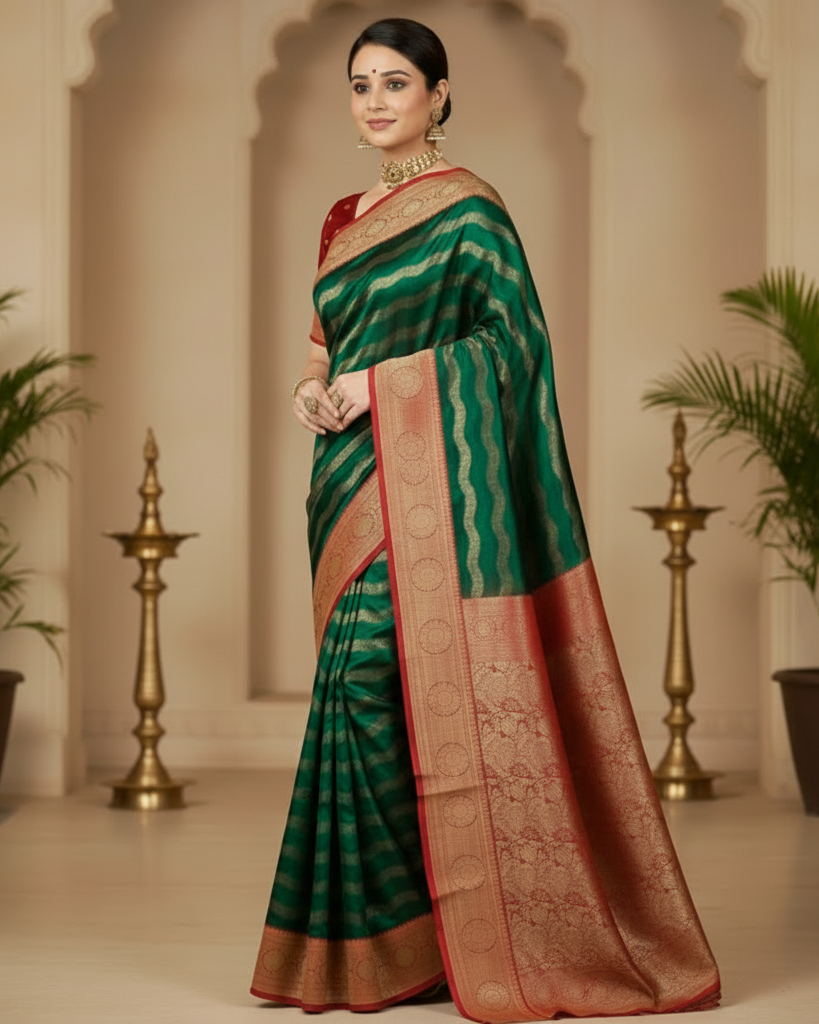
- Handloom sarees being styled in modern, contemporary ways
- Collaborations between designers and weaving communities
4. Government and NGO Support
Various initiatives have helped revive the handloom sector:
- Government schemes providing financial support to weavers
- NGO programs connecting weavers directly with consumers
- Handloom exhibitions and fairs promoting awareness
- Digital platforms enabling direct-to-consumer sales
"Handloom is not just a fabric; it's a philosophy. It represents a way of life that values human skill, environmental responsibility, and cultural continuity."
Popular Handloom Textiles Leading the Revival
1. Khadi
Once a symbol of India's freedom struggle, Khadi has been reinvented as a contemporary fashion fabric. Its breathable, comfortable nature makes it perfect for modern lifestyles. Designers are creating everything from formal wear to casual outfits using Khadi.
2. Ikat
With its distinctive blurred patterns, Ikat has become a favorite among fashion designers. The resist-dyeing technique creates unique patterns that are impossible to replicate exactly, making each piece one-of-a-kind.
3. Jamdani
The sheer beauty of Jamdani, with its intricate patterns woven into fine muslin, has captivated fashion enthusiasts worldwide. Its lightweight nature makes it perfect for both traditional and contemporary styling.
4. Banarasi
While traditionally associated with bridal wear, Banarasi silk is being reimagined in lighter weights and contemporary designs, making it accessible for everyday luxury.
5. Chanderi
Known for its lightweight, sheer texture and rich zari work, Chanderi has become popular for both ethnic and fusion wear.
The Economic Impact
The handloom revival is not just about fashion - it's about livelihoods. India's handloom sector employs over 4.3 million weavers, making it the second-largest employer after agriculture. The resurgence has:
- Created new employment opportunities in rural areas
- Enabled younger generations to continue traditional crafts
- Improved living standards for weaving communities
- Preserved cultural heritage and traditional knowledge
How Consumers Can Support Handloom
As consumers, we have the power to drive this movement forward:
- Buy Authentic: Look for genuine handloom products with proper certification. Avoid power-loom imitations.
- Understand the Value: Handloom products cost more because they represent hours of skilled labor. Appreciate the craftsmanship.
- Support Artisan Brands: Choose brands that work directly with weavers and ensure fair compensation.
- Spread Awareness: Share information about handloom with friends and family.
- Invest in Quality: Buy fewer, better pieces that will last for years rather than disposable fashion.
- Experiment: Try incorporating handloom into your everyday wardrobe, not just for special occasions.
The Future of Handloom
The handloom revival is not a passing trend - it's a fundamental shift in how we think about fashion and consumption. As technology advances, we're seeing exciting innovations:
- Digital Integration: Online platforms connecting weavers directly with global consumers
- Design Innovation: Contemporary designs that appeal to younger demographics
- Sustainable Practices: Integration of organic farming and natural dyeing
- Global Recognition: Increasing international demand for Indian handloom
Handloom in Everyday Fashion
Gone are the days when handloom was reserved only for weddings and festivals. Today, handloom is being incorporated into everyday fashion:
- Handloom cotton shirts and kurtas for office wear
- Lightweight handloom sarees for daily use
- Handloom accessories like stoles, scarves, and bags
- Home decor items using handloom fabrics
- Fusion wear combining handloom with contemporary silhouettes
Why Vestie Fashion Champions Handloom
At Vestie Fashion, we believe that handloom is not just a textile choice - it's a commitment to sustainability, craftsmanship, and cultural preservation. Every handloom piece in our collection is sourced directly from weaving communities, ensuring fair compensation and supporting their livelihoods.
When you choose a handloom saree from Vestie Fashion, you're not just buying a garment - you're investing in a tradition that has been passed down through generations, supporting artisan families, and making a conscious choice for sustainable fashion.
Join us in this movement. Explore our handloom collection and become part of the story that's reviving India's rich textile heritage for future generations.